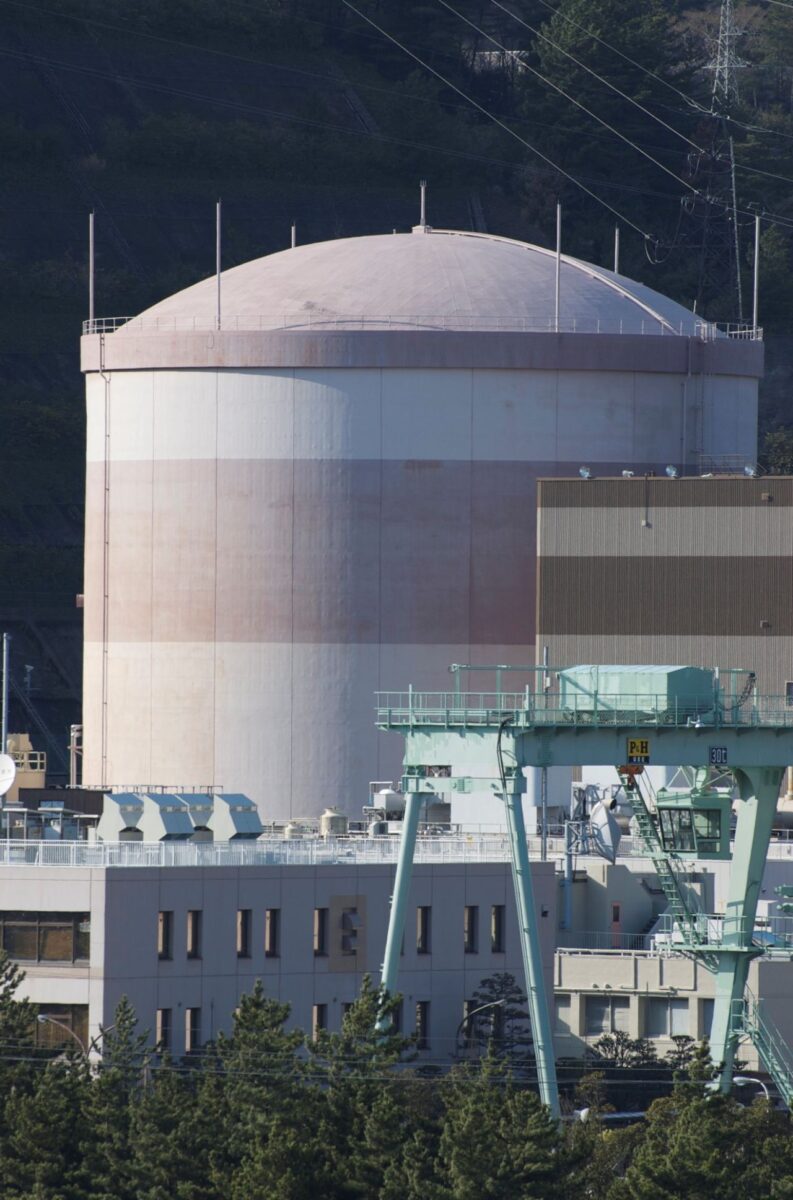
A locking nut for nuclear plants is a critical component in ensuring safety and reliability in high-vibration environments such as nuclear power stations.
Every component must perform reliably over long periods, often with limited access for maintenance. This includes bolted joints, where even minor loosening can affect system integrity, safety, and operational continuity.
HARDLOCK® nut in nuclear power plants plays a critical role in ensuring vibration-proof fastening in high-risk environments. In nuclear applications, where safety and reliability are non-negotiable, securing bolted joints against loosening is essential.
Why Fastening Reliability Is Critical in Nuclear Power Plants
In nuclear facilities, bolted joints are used across a wide range of systems, including:
- Structural assemblies
- Mechanical equipment
- Auxiliary and support systems
These connections must maintain performance under:
- Long service intervals
- Strict inspection requirements
- Safety and regulatory standards
Loss of preload can lead to:
- Reduced joint integrity
- Increased vibration
- Potential system instability
👉 Learn more about preload loss:
https://www.hardlock.eu/why-do-bolts-nuts-come-loose-factors-influencing-bolt-preload-loss/
The Challenge: Operating Conditions in Nuclear Environments
Fasteners in nuclear power plants are exposed to a combination of demanding factors.
Thermal Effects
Temperature variations can cause:
- Expansion and contraction of materials
- Reduction in clamping force
- Gradual preload loss
Vibration and Dynamic Loads
Rotating equipment and system operation can generate:
- Continuous vibration
- Dynamic mechanical stress
These factors contribute to loosening over time.
Long Maintenance Intervals
Nuclear facilities are designed for:
- Extended operation cycles
- Controlled maintenance schedules
Fasteners must maintain performance over long periods without frequent intervention.
Safety and Compliance Requirements
All components must meet strict:
- Safety standards
- Reliability expectations
- Documentation and traceability requirements
👉 See how loosening occurs:
https://www.hardlock.eu/why-the-hardlock-nut-does-not-loosen/
Where HARDLOCK® Nut Is Used in Nuclear Power Plants
HARDLOCK® Nut is applied in areas where fastening reliability is critical:
- Mechanical assemblies exposed to vibration
- Structural connections requiring long-term stability
- Auxiliary systems where maintenance access is limited
In these applications, maintaining preload is essential for safe operation.
HARDLOCK® Nut: Mechanical Locking for Safety-Critical Systems
HARDLOCK® Nut uses a mechanical wedge-locking principle designed to maintain preload under demanding conditions.
How it works:
- Two nuts function as a single locking system
- The top nut has an eccentric (off-center) thread
- Tightening creates a radial locking force
- This force helps prevent rotation
👉 Full technical explanation:
https://www.hardlock.eu/why-the-hardlock-nut-does-not-loosen/
Benefits of Hardlock Nut Technology in Nuclear Applications
✔ Maintains Preload Over Long Service Periods
Supports stable fastening even with limited maintenance access.
✔ Resists Loosening Under Vibration
Helps maintain joint integrity in systems exposed to dynamic loads.
✔ Supports Safety-Critical Requirements
Reliable fastening contributes to overall system safety and stability.
👉 Learn more:
https://www.hardlock.eu/hardlock-the-ultimate-fastener-for-safety-critical-applications/
✔ Reduces Maintenance and Inspection Burden
Stable connections can help reduce:
- Retightening requirements
- Inspection frequency
- Operational interruptions
✔ Consistent Performance in Demanding Environments
Mechanical locking principle supports long-term reliability under real operating conditions.
Comparison with Conventional Fastening Methods
Traditional fastening solutions may rely on friction or additional locking elements.
Limitations:
- Reduced effectiveness over time
- Sensitivity to vibration
- Increased maintenance requirements
👉 Compare fastening technologies:
https://www.hardlock.eu/hardlock-nut-vs-prevailing-torque-type-nut/
Engineering Perspective: Risk and Cost Considerations
In nuclear power plants, fastening reliability directly impacts:
- Operational safety
- System availability
- Maintenance costs
Even minor loosening can lead to increased risk and operational complexity.
A reliable fastening solution helps mitigate these risks.
👉 Learn more about overall benefits:
https://www.hardlock.eu/hardlock-nut-main-benefits/
Related Applications in Energy Systems
Similar requirements exist in other energy environments:
- High Temperature Applications: Proven Performance up to 800°C in Critical Industries → https://www.hardlock.eu/hardlock-nuts-in-high-temperature-applications-proven-performance-up-to-800-c-in-critical-industries/
- Oil & Gas Flange Connections → https://www.hardlock.eu/hardlock-nut-in-oil-gas-flange-connections/
- Gas Turbines → https://www.hardlock.eu/hardlock-nut-in-gas-turbines/
- Power Plants → https://www.hardlock.eu/hardlock-nut-in-power-plants/
- Testing for Fussion Reactor → https://www.hardlock.eu/hardlock-nut-testing-for-fussion-reactor/
- Electrical Applications → https://www.hardlock.eu/hardlock-nut-in-electrical-applications/
- Pumps → https://www.hardlock.eu/hardlock-bearing-nut-in-pumps/
- Ventilation Fans → https://www.hardlock.eu/hardlock-nut-on-ventilation-fans/
- Wind Power Turbines → https://www.hardlock.eu/hardlock-nuts-in-wind-power-turbines/
👉 Explore all applications:
https://www.hardlock.eu/where-is-hardlock-nut-often-used/
When to Use HARDLOCK® Nut in Nuclear Applications
Consider this solution if your application involves:
- Safety-critical systems
- Long maintenance intervals
- Exposure to vibration or thermal effects
- High reliability requirements
Conclusion
Nuclear power plants require fastening solutions that deliver consistent performance under strict safety and operational conditions.
By maintaining preload and resisting loosening, HARDLOCK® Nut provides a mechanical solution for reliable and secure connections in demanding nuclear environments.
Looking to Improve System Reliability?
Choosing the right fastening solution can help reduce risk, improve operational stability, and support long-term performance.
👉 Start with the fundamentals:
https://www.hardlock.eu/why-do-bolts-nuts-come-loose-factors-influencing-bolt-preload-loss/